
- sales@ultraoriginpower.com
- Open Hours: Mon - Fri 8.00 am - 6.00 pm
Applications of lithium ion battery in electric vehicles
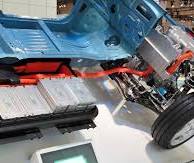
Lithium-ion (Li-ion) batteries power electric vehicles (EVs) by storing energy for propulsion, offering advantages like high energy density for longer ranges, lightweight design, fast charging, and long life, enabling the core functions of all-electric, plug-in hybrid (PHEV), and hybrid (HEV) vehicles through electrochemical energy conversion. They form large battery packs, converting stored electrical energy into mechanical energy for the motor via chemical reactions, with specific chemistries like NMC for range and LFP for cost/stability being popular.
Key Applications & Functions
- Energy Storage: The primary role is storing large amounts of energy to power the EV’s electric motor.
- Propulsion: The battery releases energy, driving the wheels for movement.
- Regenerative Braking: Captures kinetic energy during braking, converting it back into stored electrical energy to recharge the battery.
- High-Performance Power: High-power (HP) Li-ion batteries deliver rapid energy for quick acceleration, crucial in many EVs.
Leave a Comment